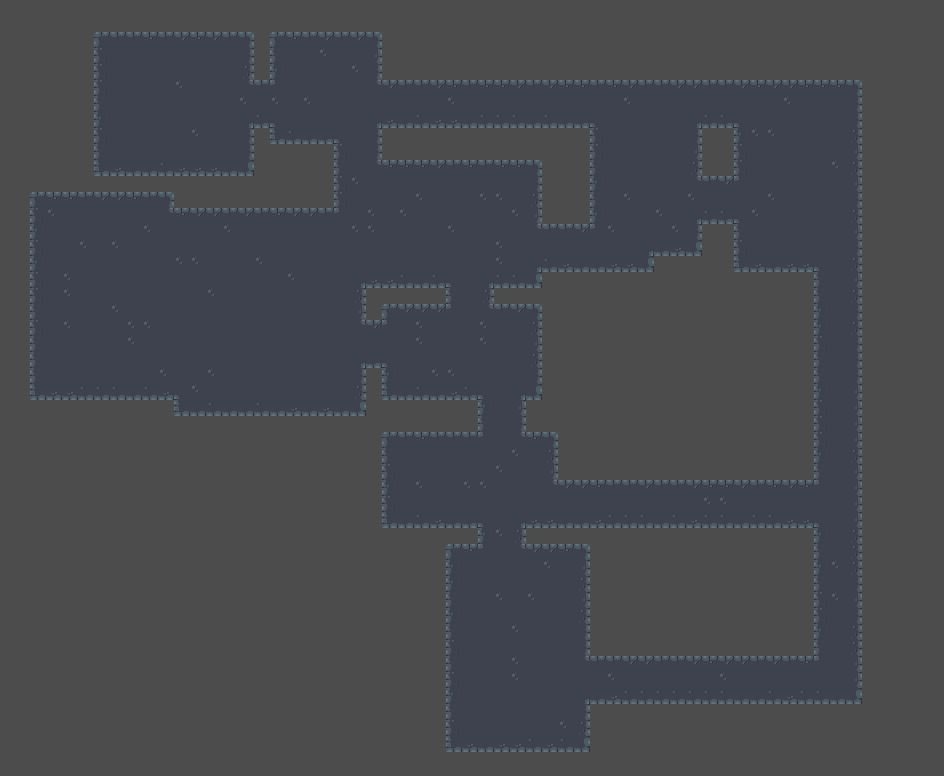
Crafting captivating game environments can be one of the most time-consuming aspects of development. From intricate level design to ensuring fresh experiences for every playthrough, manually building every dungeon or map can quickly become a monumental task. Fortunately, Godot Engine developers now have powerful allies: dungeon generator addons that are transforming the landscape of procedural level design.
These innovative tools allow creators to generate complex, unique, and engaging environments on the fly, saving countless hours and unlocking new levels of replayability for their games. Imagine never having to design the same dungeon twice! This is the promise of procedural generation, and with Godot, it's more accessible than ever. To truly grasp the power and potential of these tools, we recommend starting with a deeper dive into the foundational concepts, which you can explore in our comprehensive guide on the Introduction to Godot Dungeon Generators.
Why Embrace Procedural Dungeon Generation in Godot?
The allure of procedural generation lies in its ability to inject dynamism and unpredictability into your games. Instead of static levels, players encounter fresh challenges and layouts with each session, significantly boosting replay value. This approach is particularly valuable for roguelikes, adventure games, or any title where exploration is a core mechanic. Developers like James from Max n Jackson have showcased how these tools can quickly generate intricate layouts, from random rooms to calculated paths and robust wall structures, making what was once a complex endeavor feel surprisingly manageable.
Moreover, procedural generation isn't just about randomness; it's about controlled creativity. You define the rules, the parameters, and the aesthetic, and the generator does the heavy lifting, constructing levels that adhere to your vision while surprising both you and your players. This efficiency allows you to focus more on gameplay mechanics and storytelling, enhancing the overall player experience.
Getting Started: Integrating Dungeon Addons into Your Godot Project
Embarking on your procedural generation journey is straightforward once you understand the basic steps. Most dungeon generator addons in Godot are designed for ease of use, typically involving adding a script to a node and then calling a specific function, like do_generation, to conjure your dungeon data. This foundational step is crucial for bringing these dynamic environments to life within your game, providing the raw data for your level elements.
If you're eager to get hands-on and start experimenting, we've prepared a dedicated resource walking you through the entire setup process. Discover how to effortlessly incorporate these powerful tools into your existing or new projects by following our guide on how to Install Godot Dungeon Addons. This will get you from download to a generated dungeon in no time.
Unveiling the Capabilities: Features of Godot Dungeon Generation
Modern Godot dungeon generators come packed with impressive features designed to cater to a wide array of game types and artistic styles. Many follow methodologies similar to classic techniques, such as the one seen in TinyKeep, which involves intelligently laying out random rooms, identifying key "main" rooms, and then skillfully crafting paths between them before generating the necessary walls. These generators can output both 2D and 3D geometry, adapting seamlessly to your game's visual requirements. Visualizer layers often help developers see the generation steps in action, providing valuable insights into the process.
Some addons even provide example drivers, like DGDriver.gd, illustrating how to implement the generation process effectively. You'll find that these tools are not just about creating rooms and corridors; they also offer various room shapes, connection types, and structural integrity checks, giving you a robust toolkit for diverse dungeon designs. For a comprehensive breakdown of all the powerful functionalities at your disposal, be sure to explore our article on the Features of Godot Dungeon Generation.
Sculpting Your Worlds: Customizing Your Godot Generated Dungeons
The true power of a dungeon generator lies in its flexibility. While the addon handles the core generation, you retain significant control over the final output. This means tweaking settings to influence room density, corridor length, wall thickness, and even the overall "feel" of the dungeon. For instance, developers often provide parameters that allow you to adjust how paths are created or how main rooms are prioritized, directly impacting the level's flow and challenge. You can typically capture the entire engine window to see the different settings used to tweak the output.
It's also essential to be aware of potential quirks, such as corridors sometimes colliding with rooms – an issue that, while minor with features like auto-tiling, highlights the importance of thoughtful customization. Understanding these settings and how they interact allows you to fine-tune your dungeons to match your specific game design vision, ensuring they align perfectly with your game's narrative and mechanics. Dive into the intricacies of shaping your unique levels by reading our guide on how to Customize your Godot dungeons.
Ensuring Smooth Adventures: Optimizing Godot Dungeon Performance
While the benefits of procedural generation are clear, it's equally important to consider the performance implications, especially for larger or more complex dungeons. Efficient generation ensures that your players experience seamless level loading without hitches or excessive wait times. This often involves strategies like optimizing the algorithms themselves, perhaps by adding small timeouts during complex generation steps to visualize and manage the process, as seen in some implementations.
Techniques such as culling unseen geometry, batching draw calls, and intelligently managing the number of generated elements can significantly impact your game's frame rate and overall responsiveness. Even the choice between 2D and 3D generation can affect performance, with 2D often being inherently less resource-intensive. Understanding how to profile and optimize your generation process is key to a polished player experience. Learn how to keep your game running smoothly, even with dynamically generated content, by consulting our expert advice on Optimizing Godot Dungeon Performance.
Your Journey into Dynamic Worlds
The Godot dungeon generator addon ecosystem offers an incredible opportunity to revolutionize how you approach level design. By leveraging these powerful tools, you can unleash a torrent of creativity, produce endless replayability, and free up valuable development time to focus on other core aspects of your game. The future of level design is dynamic, personalized, and, most importantly, incredibly exciting. Start exploring today and build worlds that truly evolve with your players.